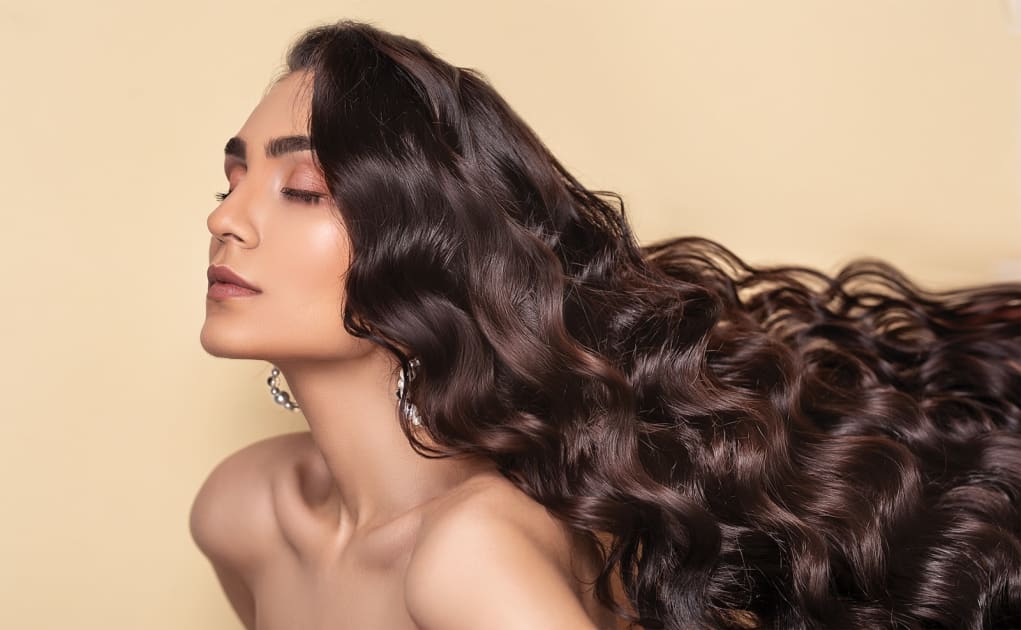
How to Find a Curly Hair Specialist in Fort Worth

How to Find a Curly Hair Specialist in Fort Worth

Admin Teamโ€ขMarch 30, 2026hair
Curly hair is beautiful. When it's done right. But most hairstylists aren't trained to work with curls. They cut curly hair the same way they cut straight hair, which ruins the shape and the defini...
โœ‚๏ธLooking for beauty services in Fort Worth? Browse real reviews and book instantly.Find Hair Stylists in Fort Worth

Curly hair is beautiful. When it's done right. But most hairstylists aren't trained to work with curls. They cut curly hair the same way they cut straight hair, which ruins the shape and the definition. After one bad haircut, you're tempted to just never cut your curls again.

The difference between a disaster and a transformation is finding a stylist who actually understands curly hair. It's a specialized skill. Not every salon has it. But knowing what to look for makes it much easier to find someone who does.

What Makes a Stylist a Curly Hair Specialist

A true curly hair specialist has gone beyond standard cosmetology training to learn the unique properties of curls. They understand that curls need different techniques, different products, and a completely different mindset than straight hair.

Many curly hair specialists have formal certifications or advanced training. Common credentials include DevaCurl certification, Ouidad training, or Deva Institute accreditation. Others have trained extensively through apprenticeships or have years of personal curly hair experience. The credentials matter, but so does the evidence of their work.

What separates a specialist from a generalist: A generalist can cut straight hair and knows hair basic biology. A specialist knows your curl pattern, understands how curls form in 2D but move in 3D, and knows which techniques enhance your natural curl versus fight against it.

The Dry Cut Technique: Why It Matters for Curls

Here's the biggest red flag when interviewing a curly hair stylist: if they insist on cutting your hair wet, they might not be a specialist.

Curly hair looks completely different when wet versus dry. When wet, curls are stretched out and look longer than they actually are. A stylist who cuts wet hair and then sees the result when it dries might have over-shortened sections or created uneven layers. Dry cutting means the stylist sees exactly how your curl pattern behaves and cuts accordingly.

Most curly hair specialists use the dry cut method or a combination of dry and wet cutting depending on the curl type. When you call to book, ask: "Do you dry cut?" If they say no, or if they insist on wet cutting, consider calling another salon.

Dry cutting takes longer (expect one and a half to two and a half hours instead of one hour) because it's more detailed and meticulous. But the results are worth the extra time. Your curls will have better shape and definition weeks after the cut.

Curl Pattern Knowledge: What They Should Understand

Not all curls are the same. Some people have waves. Others have tight coils. Some have a mix of curl types on the same head. A curly hair specialist knows how to identify your specific curl pattern and cut accordingly.

The Andre Walker curl classification system is common in the industry. It ranges from Type 1 (straight) to Type 4 (coily). But within each type, there's huge variation. A specialist can look at your curls and understand whether you're a 2c (wavy), 3a (loose curl), 3b (tighter curl), 4a (coily), or a combination.

Why does this matter? Because a cutting technique that works for 3b curls will fail on 4a curls. A specialist adjusts their approach based on your specific curl pattern. They know which layers work for your texture and which products will enhance your curls versus weigh them down.

When you meet with a specialist, they should spend time examining your curls, asking about your routine, and explaining what they see in your hair. If they jump into cutting without understanding your pattern, that's a warning sign.

Training Methods and Certifications Worth Knowing

There's no single "official" curly hair certification recognized everywhere, but several training programs have strong reputations in the industry.

DevaCurl Certification: DevaCurl created the DevaCut method, which is widely used for curly hair. Stylists who train through DevaCurl's certification program learn proprietary cutting and styling techniques. Many salons advertise DevaCurl specialists prominently. This is one of the most recognized credentials.

Ouidad Training: Ouidad developed techniques specifically for curly, coily, and textured hair. Their certification covers cutting, styling, and product knowledge. Ouidad-trained stylists are particularly strong with wavy to coily textures.

Deva Certified or Institute Training: The Deva Institute trains stylists in curl-specific techniques. Graduates understand curl science and have hands-on experience with diverse curl patterns.

Texture-Focused Training: Some salons specialize in curly and textured hair without formal brand certification. They've built expertise through years of working with curls. These stylists can be just as good as certified ones.

When researching salons, look for stylists who mention specific training or certifications. It shows they've invested in learning beyond basic cosmetology. But also trust experience. A stylist with five years of dedicated curly hair work and a strong portfolio might be more valuable than someone freshly certified.

Questions to Ask Before Booking Your First Appointment

These questions help you gauge whether a stylist is genuinely a curly hair specialist or just claims to be one.

Question 1: "Do you dry cut curly hair?" A specialist answer: "Yes, I prefer to dry cut so I can see your actual curl pattern." An evasive answer: "I can do wet or dry" (suggests they might not prioritize dry cutting).

Question 2: "What's your certification or training background with curly hair?" They should mention DevaCurl, Ouidad, texture-specific training, or substantial experience. Generic "I've worked with all hair types" suggests they're not specialized.

Question 3: "How long does a curly hair cut typically take?" A honest answer is one and a half to three hours depending on hair thickness and length. If they say one hour, they're rushing.

Question 4: "Can I see your portfolio of curly hair work?" A specialist should have photos or Instagram examples showing before-and-afters of curly hair. Look for results that enhance the curl, not straighten or flatten it.

Question 5: "Do you have a specific product line you recommend, or do you work with what I'm already using?" A good specialist can work with your current routine but might suggest additions. Be cautious of stylists who insist you must buy expensive products as a condition of being a client. That's not about curl care, that's about upselling.

Red Flags That Signal You Should Look Elsewhere

Some stylist behaviors are deal-breakers for curly hair clients.

They insist on using a blow dryer and styling your curls straight: Nothing wrong with wearing your hair straight sometimes, but a specialist won't assume that's what you want. They should ask first and offer to show you what your curls can do.

They recommend a relaxer or chemical straightening: Unless you ask for it, a curly hair specialist won't suggest chemicals to change your curl pattern. They celebrate curls, not fight them.

They dismiss your curl pattern or say "your curls are too fine/thick/tight/loose for the style you want": A specialist works with what you have, not against it. They offer variations on styles that work for your texture.

They want to cut your hair wet and trust the dry result: As discussed earlier, this suggests they're not familiar with how curls behave.

They seem annoyed by questions about their process: A real specialist loves talking about curl science and technique. If they seem irritated by your questions, that's a sign they're not genuinely invested in curly hair expertise.

Pricing Ranges and What to Expect to Pay

Curly hair cuts are more specialized and time-intensive than standard cuts. Prices reflect that.

In Fort Worth, a standard hairstyle might cost thirty to sixty dollars. A curly hair cut from a specialist typically costs seventy-five to one hundred fifty dollars depending on the salon, the stylist's experience, and how complex your cut is. Some specialists charge more, some less. Don't choose based purely on price.

Many salons offer a consultation appointment (sometimes free, sometimes twenty to thirty dollars) where the stylist examines your hair, discusses your goals, and explains the process before you commit to a full cut. This is smart and worth taking advantage of. It lets you meet the stylist and see if you're compatible before investing in a full service.

Also ask about rebook pricing. Some salons offer discounts if you rebook your next appointment before you leave. This locks in a regular schedule and often saves money long-term.

Between-Visit Maintenance: What They Should Teach You

A great curly hair specialist doesn't just cut your hair and send you off. They teach you how to maintain it between visits.

This includes technique: how to apply products, whether to use a microfiber towel or t-shirt to dry (not a regular towel), how to diffuse with a blow dryer if you choose to. It includes products: clarifying shampoo once a month, deep conditioning weekly, and styling products that work for your curl type. It includes routine: how often to refresh curls without washing, when to schedule trims (every eight to twelve weeks is common), and what to watch for between appointments.

A good specialist also helps you troubleshoot. If your curls are frizzy, droopy, or crunchy, they help you figure out why and what to adjust. Is it the shampoo? The humidity? Your technique? This ongoing guidance is part of what makes them worth paying more.

If a stylist cuts your curls beautifully but gives zero guidance on how to maintain them, you'll struggle at home and might blame the cut unfairly.

Where to Find Curly Hair Specialists in Fort Worth

Fort Worth has curly hair expertise available across the city, and the best way to find it is through research and recommendations. Start with searching salons in Fort Worth or browse the directory and filter by stylists who mention curl specialization in their profiles.

Check Instagram for curly hair hashtags specific to Fort Worth. Stylists showcase their work on social media, and you can see their curly hair results before booking. Look for consistent quality and curl patterns similar to yours.

Ask in curly hair communities. Fort Worth has local Facebook groups and Reddit communities dedicated to natural curly hair. Ask locals for recommendations. Real-world testimonials from people with similar curl patterns to yours are gold.

Don't limit yourself to just Fort Worth. If a specialist in Arlington or Keller has exactly what you're looking for, a drive is worth it for a service you get four times a year.

Your First Appointment: What to Expect

A curly hair specialist's first appointment looks different from a typical haircut.

Plan for longer than you expect. The stylist will spend time consulting, examining your curls in different ways, asking about your routine and goals, and explaining what they see and what they'll do. This might be thirty to forty-five minutes before they even start cutting. Don't rush them. This consultation is how they get it right.

They might ask to see how you usually style your curls or how your hair behaves in your normal routine. They might apply water or product to see how your curls respond. This is research, not playing around.

Once the cut starts, it takes time. Dry cutting requires precision and can't be rushed. They'll likely work section by section, checking shape and definition as they go. You might see them stand back frequently to assess the overall shape.

Ask them to show you the results as you go. See the layers being created. Understand how different sections will behave. This is educational and helps you replicate the results at home.

Before you leave, ask them to show you the styling. How do they apply product? How do they dry? What diffuser setting? How do they create definition? Many stylists will send you a video of the process or show you on the next visit if you ask.

Frequently Asked Questions

How often should I get a curly hair cut?

Most curly hair specialists recommend trims every eight to twelve weeks. Curls are more prone to split ends because of their shape, and regular trims keep them healthy and defined. You don't need a full cut every time. A trim to clean up layers and remove damaged ends keeps your curl pattern in shape.

What should I do if I had a bad curly hair cut?

First, wait two to three weeks. Sometimes curls settle and look better after a few wash cycles. If you're still unhappy, contact the stylist and explain what you don't like. A good specialist will offer a follow-up appointment to fix it. If they dismiss your concern, find another stylist. Bad cuts happen, but accountability matters.

Can a stylist with straight hair cut curly hair well?

A stylist with straight hair can learn to cut curly hair excellently if they invest in training and have substantial experience. But many stylists with natural curls have a deeper intuitive understanding because they live with their own curl patterns. This isn't a hard rule, but when choosing between two stylists, the one with curly hair themselves often brings empathy and insight.

What's the difference between a curly hair cut and a regular haircut?

A regular haircut follows conventional techniques: wet cutting, working with gravity, creating layers that work when hair is straight or loosely waved. A curly hair cut accounts for texture, uses dry cutting to see true shape, and creates layers and angles that enhance the natural curl pattern. The entire approach is different.

Is DevaCurl the only option for curly hair?

DevaCurl is one excellent option, but it's not the only one. Ouidad, Deva Institute, and other texture-focused training programs produce skilled specialists. Some of the best curly hair specialists have years of experience and no formal brand certification. Look for competence and results, not just brand names.

The Takeaways

  • Dry cutting is key: A specialist cuts curly hair dry so they see your actual curl pattern and shape.
  • Certifications matter, but experience matters more: Look for DevaCurl, Ouidad, or texture-focused training, but also trust stylists with years of curly hair expertise.
  • Ask specific questions: How they answer reveals whether they're specialized or just claiming to be.
  • Portfolio work tells the truth: Before-and-after photos show you real results on real curls.
  • Maintenance guidance is part of the service: A good specialist teaches you how to maintain the cut at home.

Find Your Curly Hair Specialist Today

Great curly hair doesn't happen by accident. It happens when you find a stylist who understands your curl pattern, has the skills to cut it properly, and will guide you through maintenance between visits. Fort Worth has specialists who can deliver that. Browse salons in Fort Worth and look for stylists who mention curly hair expertise in their profiles. Check their portfolios. Read reviews from other curly-haired clients. And don't be afraid to try a few before you find the right fit.

Your curls deserve a specialist. You deserve one too.

If you specialize in curly hair in the DFW area, list your business on The Local Gem and connect with clients actively searching for curly hair specialists near them. No monthly fees to start.

Find Your Perfect Beauty Pro in Fort Worth

The Local Gem connects you with top-rated, verified beauty professionals in DFW. Real reviews, real prices, real results.

Find Hair Stylists in Fort Worth

Find Hair Stylists Near You

Hair stylists in DallasHair stylists in Fort WorthHair stylists in PlanoHair stylists in ArlingtonHair stylists in FriscoHair stylists in NRH