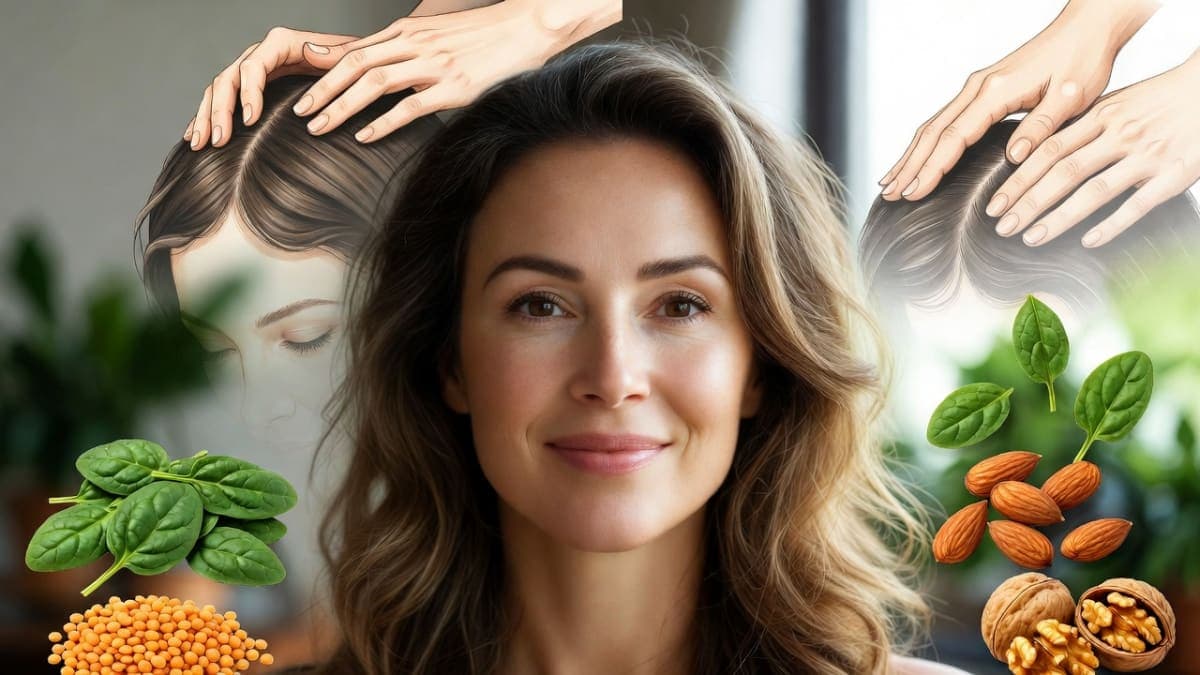
10 Common Causes of Hair Loss in Women And What Actually Helps
Hair loss affects millions of women worldwide by age 50, around 40% experience noticeable thinning, and prevalence rises to over 50% in postmenopausal women. It's often gradual, showing as a wider part, reduced ponytail volume, or overall diffuse thinning rather than bald patches. The good news? Many causes are manageable, and early action can slow progression or promote regrowth.
The most common type is female pattern hair loss (FPHL), also called androgenetic alopecia, affecting up to 50% of women over time. But other triggers like hormones, stress, and lifestyle play big roles too. Below, we break down the top 10 causes based on current medical insights (as of 2025), plus evidence-based steps to help.
1. Female Pattern Hair Loss (Androgenetic Alopecia)
- Why it happens: Genetics and sensitivity to androgens (male hormones like DHT) cause follicles to shrink over time, producing finer, shorter hairs.
- Prevalence: The #1 cause, impacting 30–50% of women by midlife.
- What helps: Topical minoxidil (FDA-approved, 2–5% solution/foam) is the gold standard—many see regrowth in 3–6 months. Low-dose oral minoxidil or spironolactone (anti-androgen) are off-label options with strong evidence for women.
2. Hormonal Changes (e.g., Postpartum, Menopause, PCOS)
- Why it happens: Estrogen drop after pregnancy (postpartum telogen effluvium) or menopause shifts hairs into resting phase. PCOS raises androgens.
- Prevalence: Postpartum shedding affects 30–50% of new moms, peaking 3 months after birth.
- What helps: Usually temporary hair regrows in 6–12 months. Gentle scalp massages, nutrient-rich diet, and minoxidil can speed recovery.
3. Stress (Physical or Emotional)
- Why it happens: Triggers telogen effluvium, pushing more hairs into shedding phase.
- Prevalence: Common after illness, surgery, or high stress.
- What helps: Manage stress with exercise/yoga. Biotin or iron supplements if deficient; shedding often resolves in months.
4. Nutritional Deficiencies
- Why it happens: Low iron (common in women due to periods), zinc, vitamin D, or protein starves follicles.
- Prevalence: Iron deficiency linked to many cases.
- What helps: Blood tests to check levels. Foods like spinach, lentils, nuts; supplements (e.g., biotin, collagen) under doctor guidance.
5. Thyroid Disorders
- Why it happens: Hypo/hyperthyroidism disrupts hair cycle.
- Prevalence: Affects many women; often overlooked.
- What helps: Treat underlying thyroid issue—hair usually rebounds.
6. Tight Hairstyles (Traction Alopecia)
- Why it happens: Constant pull from braids, ponytails damages follicles.
- Prevalence: More common in women with protective styles.
- What helps: Loosen styles, alternate looks. Early stages reversible.
7. Medications
- Why it happens: Some drugs (e.g., antidepressants, blood thinners) cause shedding.
- What helps: Discuss alternatives with doctor; often temporary.
8. Autoimmune Conditions (e.g., Alopecia Areata)
- Why it happens: Immune system attacks follicles, causing patchy loss.
- Prevalence: Affects 2% lifetime.
- What helps: JAK inhibitors (newer FDA-approved options) show promises for regrowth.
9. Aging
- Why it happens: Follicles naturally slow; combined with other factors.
- Prevalence: Thinning common after 50.
- What helps: Minoxidil, PRP therapy (platelet-rich plasma injections) for stimulation.
10. Scalp Conditions (e.g., Dandruff, Infections)
- Why it happens: Inflammation from psoriasis or ringworm disrupts growth.
- What helps: Medicated shampoos; treat infection promptly.
General Tips to Support Regrowth
- Daily habits: Gentle brushing, avoid heat styling, use silk pillowcases.
- Proven treatments: Start with over-the-counter minoxidil. For advanced options, see a dermatologist, PRP, low-level laser therapy, or emerging oral therapies (like extended-release minoxidil in trials) are gaining traction in 2025.
- When to see a pro: If shedding >100 hairs/day, sudden patches, or no improvement in 6 months rule out underlying issues.
- Mindset boost: Hair loss can impact confidence, but most cases improve with patience and the right approach.
You're not alone, many women regain fuller hair with consistent care. If this resonates with your experience, start tracking your shedding and consider a gentle routine today. Share in the comments: What's your biggest hair concern?
Find Your Perfect Beauty Pro
The Local Gem connects you with top-rated, verified beauty professionals in DFW. Real reviews, real prices, real results.
Find Hair Stylists Near You